



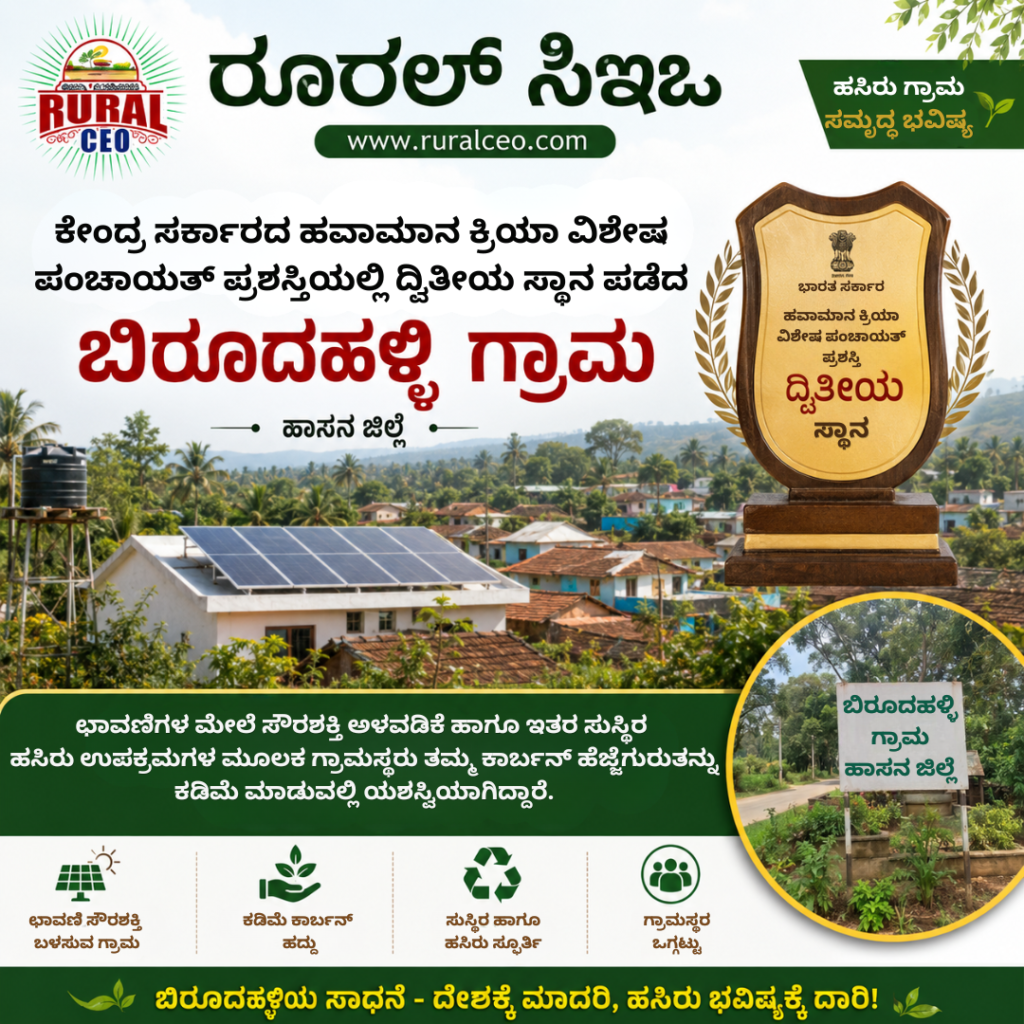
The idea of creating sustainable and eco-friendly rural communities is becoming more important than ever. Climate change, pollution, water scarcity, and rising energy demands are affecting villages across India and the world. This is why the concept of Green Villages, Prosperous Future is gaining attention among governments, environmental experts, and rural communities. A greener village focuses on renewable energy, clean surroundings, water conservation, sustainable farming, and responsible waste management to improve the quality of life for future generations.
Villages are the backbone of India, and empowering them with green initiatives can create long-term economic growth while protecting nature. Solar-powered homes, rainwater harvesting, organic farming, and eco-friendly practices not only reduce carbon emissions but also improve health, employment opportunities, and financial stability. The vision of Green Villages, Prosperous Future is not just about environmental protection but also about building stronger and self-reliant rural communities.
Why Sustainable Villages Matter Today
Modern villages are facing serious environmental challenges because of increasing waste, excessive use of fossil fuels, deforestation, and declining groundwater levels. Sustainable village development can help solve many of these problems by encouraging eco-friendly solutions that support both people and the environment.
A green village creates a healthier ecosystem where clean air, safe drinking water, and renewable energy become part of daily life. Villagers can reduce their dependence on expensive electricity and fuel by adopting solar power and biogas systems. Sustainable farming practices also improve soil fertility and crop quality while reducing harmful chemical usage.
The movement toward Green Villages, Prosperous Future is also helping rural economies grow through eco-tourism, green jobs, and environmentally responsible businesses. Rural communities that adopt green technology often experience better infrastructure, improved public health, and increased social awareness.
Green Villages, Prosperous Future Through Renewable Energy
Renewable energy is one of the strongest foundations of sustainable rural development. Solar panels installed on rooftops and public buildings can provide affordable and clean electricity to households and schools. Wind energy and biogas plants can further support energy needs in agricultural communities.
Many villages across India are already adopting solar-powered streetlights, water pumps, and irrigation systems. These initiatives reduce electricity costs and decrease dependence on traditional energy sources. Renewable energy also supports local businesses and educational institutions by ensuring a stable power supply.
The vision of Green Villages, Prosperous Future becomes practical when communities actively participate in energy conservation and clean technology adoption. Government support and awareness programs are encouraging villagers to shift toward sustainable energy systems that protect the environment and reduce long-term expenses.
Sustainable Agriculture for Rural Growth
Agriculture plays a major role in village economies, and sustainable farming practices are essential for protecting natural resources. Organic farming, crop rotation, natural fertilizers, and water-efficient irrigation methods help farmers maintain healthy soil and improve productivity.
Chemical fertilizers and pesticides often damage the environment and affect human health. Sustainable agriculture encourages eco-friendly alternatives that improve food quality while preserving biodiversity. Farmers who adopt green farming methods can also benefit from higher market demand for organic products.
The concept of Green Villages, Prosperous Future strongly supports environmentally responsible farming because it creates economic opportunities while protecting future generations from environmental damage. Villages that invest in sustainable agriculture are better prepared for climate-related challenges such as droughts and changing rainfall patterns.
Importance of Waste Management and Cleanliness
Proper waste management is another key element of building greener villages. Plastic waste, open dumping, and poor sanitation can create serious environmental and health problems. Villages can become cleaner and healthier by encouraging waste segregation, recycling, composting, and proper disposal systems.
Community awareness programs can teach people how to reduce plastic use and manage household waste responsibly. Composting organic waste can also create natural fertilizers for farming, reducing dependence on chemical products.
Clean villages not only improve public health but also create a positive image that attracts tourism and investment opportunities. The mission of Green Villages, Prosperous Future becomes successful when communities work together to maintain cleanliness and environmental responsibility.
Water Conservation and Environmental Protection
Water scarcity is becoming a major concern in rural areas because of overuse and irregular rainfall patterns. Rainwater harvesting, lake restoration, drip irrigation, and groundwater recharge systems can help villages conserve water effectively.
Planting trees and protecting forests are equally important for maintaining ecological balance. Trees improve air quality, prevent soil erosion, and support biodiversity. Villages that actively participate in afforestation programs often experience better rainfall and environmental stability.
Environmental protection is not only the responsibility of governments but also of local communities. Villagers who understand the value of natural resources are more likely to adopt eco-friendly habits that support long-term sustainability.
Role of Technology in Green Rural Development
Technology is playing a major role in transforming rural areas into smart and sustainable communities. Digital education, online awareness programs, and mobile applications are helping villagers learn about renewable energy, organic farming, and waste management practices.
Smart irrigation systems, solar-powered equipment, and eco-friendly construction techniques are improving efficiency and reducing environmental impact. Rural innovation can create new opportunities for employment and entrepreneurship while supporting environmental goals.
The journey toward Green Villages, Prosperous Future becomes easier when modern technology is combined with traditional knowledge and community participation.

