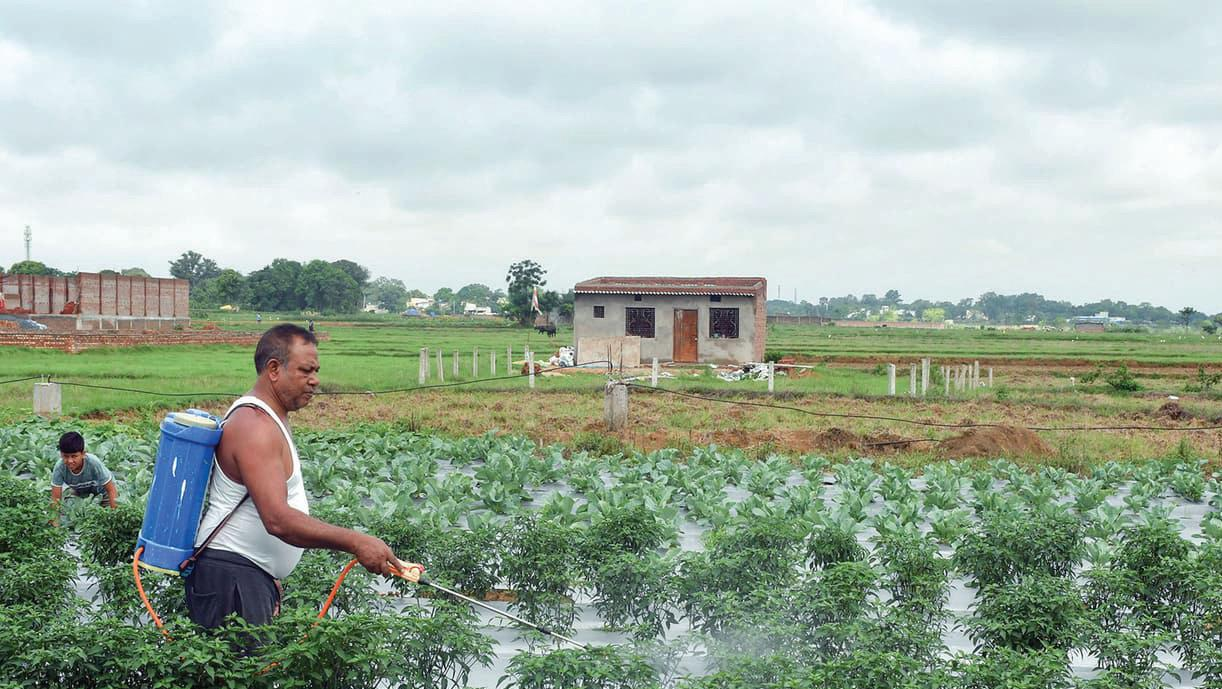








India’s rural economy, the backbone of the nation’s consumption and agricultural growth, stands
at a precarious crossroads in 2026. A below-normal southwest monsoon, driven by the probable
emergence of El Niño, combined with surging fertilizer and fuel prices triggered by the US-Iran
conflict, threatens to dent kharif output, farmer incomes, and rural demand. This assessment
paints a cautious picture for the FMCG sector and tractor sales, elevated food inflation, and
mounting fiscal pressure.
Global climate models are flashing clear warning signals. The US National Oceanic and
Atmospheric Administration (NOAA), in its latest ENSO outlook issued in March 2026, notes
that neutral conditions are likely to persist through April–June with an 80% probability.
However, the odds of El Niño developing between May and July stand at 61%, with a roughly
25% chance of a very strong event persisting through the year-end. Private forecaster Sky met
Weather, in its 7 April forecast, has pegged the 2026 southwest monsoon at 94% of the long-
period average (LPA), classifying it as “below normal” with an error margin of ±5%. The deficit
is expected to hit hardest in the second half of the season (August–September), with uneven
rainfall particularly affecting north, west, and central India. This marks a sharp reversal from the
above-normal 2025 monsoon.
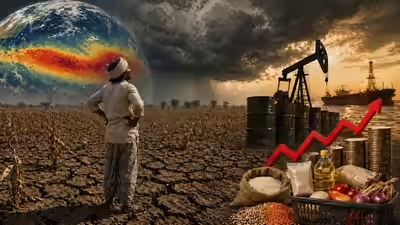
The stakes are high. A normal or above-normal monsoon typically drives robust kharif sowing,
higher reservoir levels, and a strong rabi season. In contrast, the 2023 monsoon, despite an
overall 6% deficit, delivered highly uneven rainfall that crippled pulses and oilseed output,
weakened rural incomes, and triggered a spike in MGNREGS (now GRAMG) demand. Similar
dynamics could play out again. Lower crop yields and acreage would translate into reduced
demand for tractors, two-wheelers, automobile FMCG products, jewellery, and consumer
durables. Food inflation in rice, pulses, and other essentials could intensify, complicating the
RBI’s monetary policy stance.
Compounding the weather risk is the geopolitical shock emanating from the Strait of Hormuz.
Ongoing US-Iran tensions have disrupted shipping lanes vital for fertilisers and raw materials
such as ammonia, phosphoric acid, Sulphur, and LNG. Indian farmers and manufacturers are
already facing sharp cost increases. Our channel checks indicate that fertilizer volume and
margin pressures, visible in Q4 FY26, will intensify from Q1 FY27 during peak kharif planting.
The government has already raised the Nutrient-Based Subsidy (NBS) for Kharif 2026 to Rs
41,534 crore, an 11–12% increase over the previous year. The subsidy bill could swell an
additional Rs 10,000–25,000 crore in FY27 if global prices remain elevated, and monsoon
deficiency reduces domestic demand.
Sectoral implications are stark and uneven. Backward-integrated fertilizer players are better
positioned to weather cost volatility compared to less integrated peers. On the consumer side,
summer and cooling products are expected to hold up relatively well. Ice creams, dairy drinks,
juices, carbonated soft drinks, talcs, cooling hair oils, and suncare products could see resilient
demand. In contrast, home insecticides and hot beverages (coffee and tea) may face headwinds.
Broader rural demand softness, margin pressure from commodity cost inflation, and delayed
subsidy payments could ripple across consumer categories.
The banking sector is not immune. Rising rural and Agri NPAs remains a key risk if farmer’s
incomes weaken, and repayment capacity erodes. The government’s fiscal space is already
stretched by higher fertilizer subsidies, food subsidy outgoes, and under-recoveries on petroleum
products. The rural employment guarantee schemes expanded 125-day work commitment offers
some buffer, but tightening finances limit flexibility.
Historical data underscores the vulnerability. Over the past 50 years, the average deviation of
actual monsoon rainfall from LPA has been -1.8%. In 29 deficit years, the average shortfall was –
7.5%. The current 94% forecast, while not catastrophic, falls within the range that has
historically hurt agricultural output.
Investors and policymakers must monitor several triggers. The India Meteorological
Department’s official monsoon forecast, due mid-April, will set the tone. Monthly El Niño
updates from NOAA and Skymet will provide real-time guidance. For the markets, the interplay
between monsoon progress, global commodity prices, and subsidy announcements will
determine sectoral performance.
Overall, 2026 is shaping up as a year of caution for India’s rural economy. While the country has
demonstrated resilience to monsoon variability in the past, the simultaneous headwinds of
climate uncertainty and geopolitical cost pressures create a more challenging backdrop. A
proactive policy response, targeted subsidies, efficient water management, and supply-chain
diversification will be critical to safeguard farmer incomes and sustain rural consumption
momentum. Until clearer signals emerge on rainfall distribution and input costs, the outlook remains guarded. The double whammy of weather and war risks widening the subsidy gap and
testing the resilience of India’s agrarian heartland.
Dhananjay Sinha is CEO & Co-Head, Institutional Equities at Systematix Group
(SOURCE : THE ECONOMIC TIMES)