








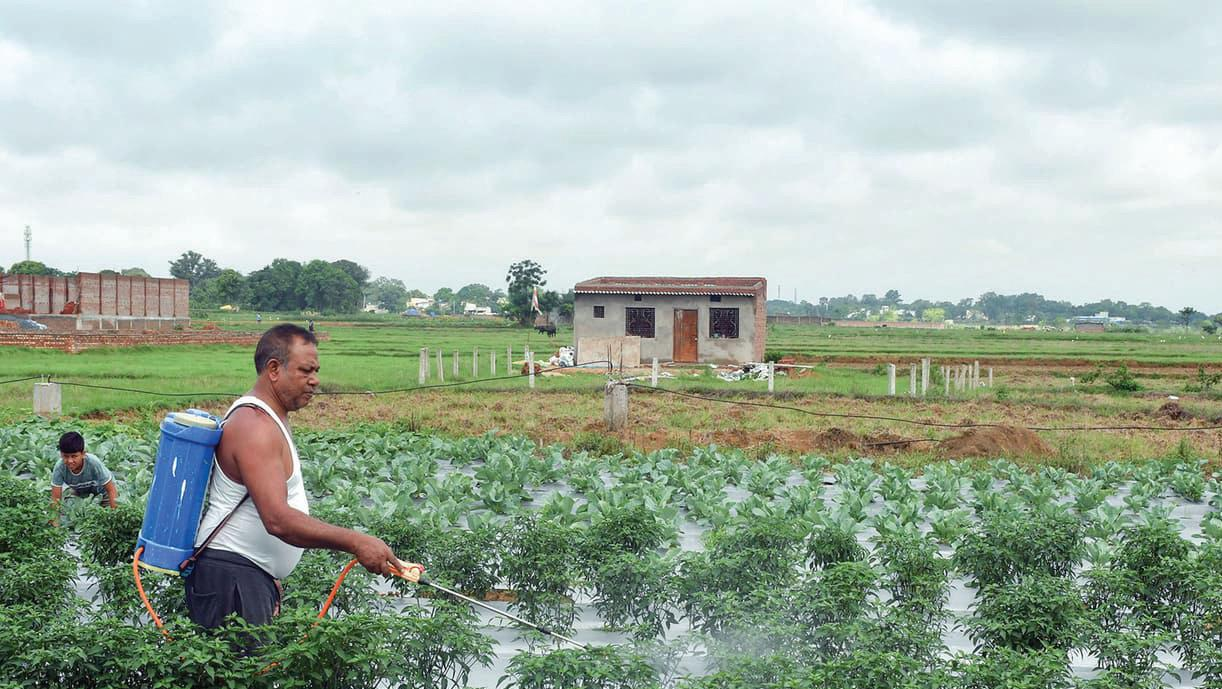
India’s rural economy is facing a dual threat in 2026 from a potential monsoon shortfall and a
sharp rise in input costs, both of which could weigh on agricultural output, farmer incomes, rural
demand, and food inflation.
According to a report by Systematix, the combination of a likely below-normal monsoon and
elevated agro-input costs driven by global conflicts creates a sombre outlook for the agricultural
sector.
“The combination of a likely below-normal 2026 monsoon and elevated agro-input costs due to
the US-Iran conflict creates a challenging outlook for agricultural production, rural consumption,
and inflation management,” noted the report.
This shift follows a strong 2025 monsoon and mirrors the disruptive 2023 deficit that previously
hurt Kharif output and dampened rural consumption.
“ENSO-neutral conditions currently prevail and are likely to persist through April-June (80%
probability). However, El Nino is expected to emerge during May-July with a 61% probability
and persist through the end of 2026, with roughly a 25% chance of it becoming a very strong
event,” the report stated.
Citing Skymet Weather, the report projected the southwest monsoon at 94 per cent of the long-
period average, which is classified as below normal. The deficit is expected to weaken rainfall
primarily in the second half of the season, specifically during August and September, while the
initial June-July period may remain relatively stable. This uneven distribution poses a high risk
to the northern, western, and central parts of India.
“The South-West monsoon remains critical for India’s economic growth, as a strong kharif
harvest boosts rural incomes and drives demand for FMCGs, tractors, automobiles, two-
wheelers, jewellery, and consumer durables,” the report noted.
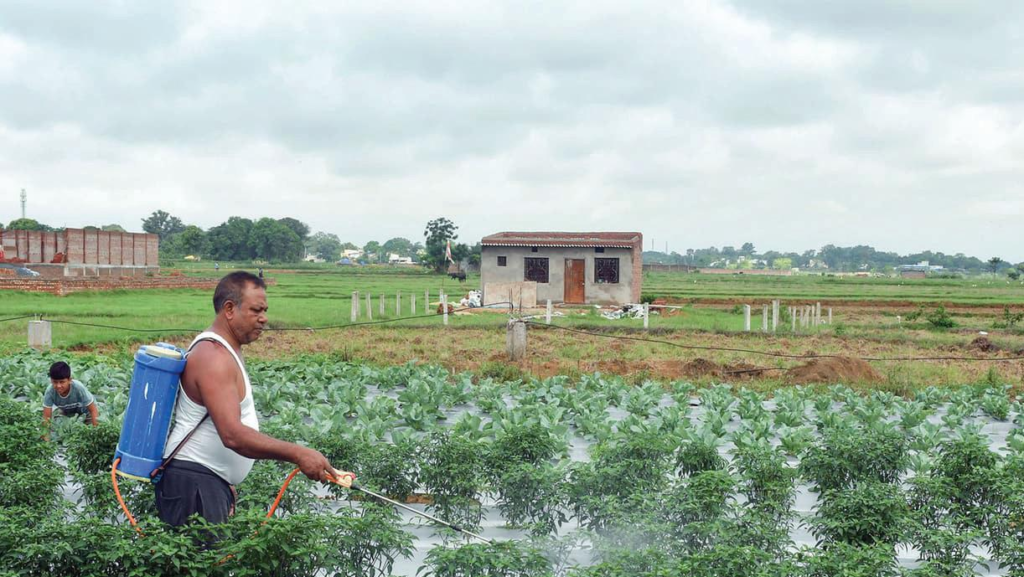
The climate threat is further complicated by the US-Iran conflict, which has disrupted shipping
through the Strait of Hormuz. “Compounding the weather risk is the ongoing US-Iran conflict,
which has disrupted shipping through the Strait of Hormuz, a critical route for fertilizers, raw
materials (ammonia, phosphoric acid, sulphur, natural gas/LNG), and fuel,” the report detailed.
The resulting supply chain disruptions have already pushed up global fertilizer prices, increasing
the financial burden on Indian farmers and the central government.
The report warns that higher fertilizer and food subsidies, combined with under-recoveries on
petroleum products, could strain government finances. If global prices remain elevated and
monsoon conditions weaken domestic demand, the subsidy burden could rise by Rs 10,000 crore
to Rs 25,000 crore in FY27.
(SOURCE : THE ECONOMIC TIMES)




Vince Salt
April 13, 2026A senior editor for The Mare that left the company to join the team of Barfi as a news editor and content creator. An artist by nature who enjoys video games, guitars, action figures, cooking, painting, drawing and good music.