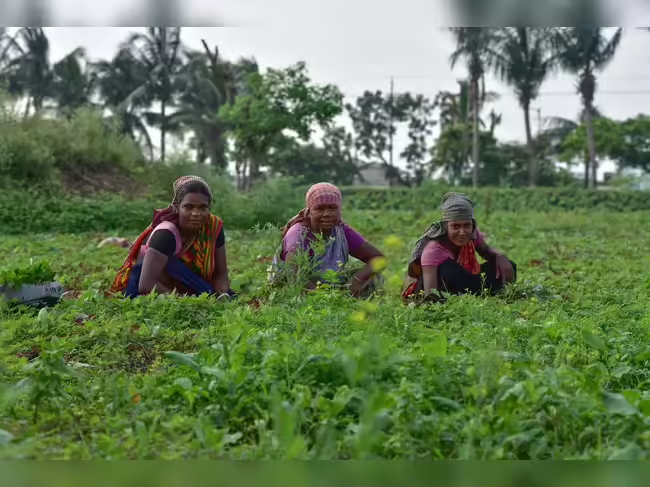
The future of farming is increasingly connected to Sustainable agriculture, where traditional wisdom and modern technology are working together to create healthier food systems and stronger rural communities. Across India, progressive farmers are proving that agriculture is not just a profession but a way of life deeply connected to soil, nature, and human well-being.
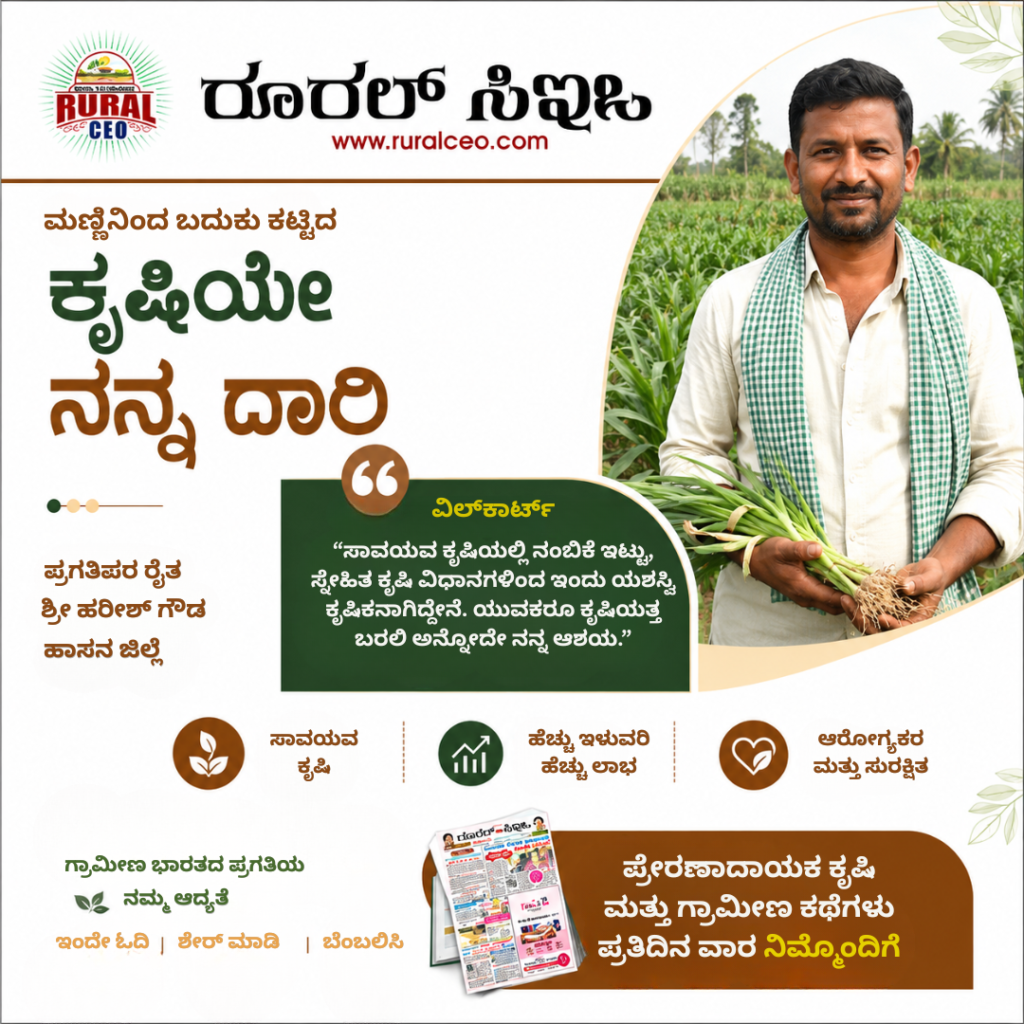
Farmers like Sri Harish Gowda are inspiring younger generations by adopting organic farming methods, protecting soil health, and improving crop quality through eco-friendly agricultural practices. Their success stories are showing that farming can provide not only stable income but also healthier lifestyles and sustainable rural development.
The growing focus on Sustainable agriculture is encouraging people to move away from harmful chemical dependency and return to farming methods that preserve natural resources. Organic farming, soil conservation, water management, and environmentally friendly cultivation techniques are becoming important for long-term food security and environmental protection.
As awareness about healthy living and eco-friendly food increases, rural India is once again becoming the center of agricultural innovation and natural farming practices.
Sustainable Agriculture Is Reviving Rural India
The rise of Sustainable agriculture is creating positive changes across villages and farming communities in India. Farmers are now understanding the importance of maintaining soil fertility, reducing chemical usage, and protecting water resources for future generations.
Traditional farming methods combined with modern agricultural technology are helping farmers improve productivity while reducing environmental damage. This balanced approach is helping create stronger rural economies and healthier agricultural ecosystems.
Progressive farmers are also using organic fertilizers, crop rotation methods, and natural pest control systems to improve farming quality. These methods support long-term soil health and reduce harmful effects caused by excessive chemical farming.
The success of farmers practicing sustainable farming is encouraging young people to view agriculture as a profitable and respectable career option.
Modern agriculture no longer depends only on heavy industrial methods. Instead, many successful farmers are proving that environmentally responsible farming can also be economically successful.
Organic Farming and Healthy Living
Organic farming has become one of the strongest pillars of Sustainable agriculture because consumers today are increasingly concerned about food safety and health.
Chemical-free farming methods help produce healthier vegetables, grains, and fruits while protecting the nutritional value of crops. Many families now prefer naturally grown food because of growing awareness regarding pesticides and artificial farming chemicals.
Farmers practicing organic agriculture also report better soil quality and improved long-term productivity. Healthy soil plays a crucial role in maintaining crop strength and natural biodiversity.
The growing demand for organic food products is creating better market opportunities for rural farmers who adopt eco-friendly farming practices.
Health experts often emphasize that clean food production and natural cultivation methods are important for preventing lifestyle-related health issues.
The connection between agriculture and public health is becoming stronger as people understand the impact of food quality on overall well-being.
Technology and Traditional Farming Together
One of the most inspiring aspects of modern Sustainable agriculture is the successful combination of traditional farming knowledge and modern technology.
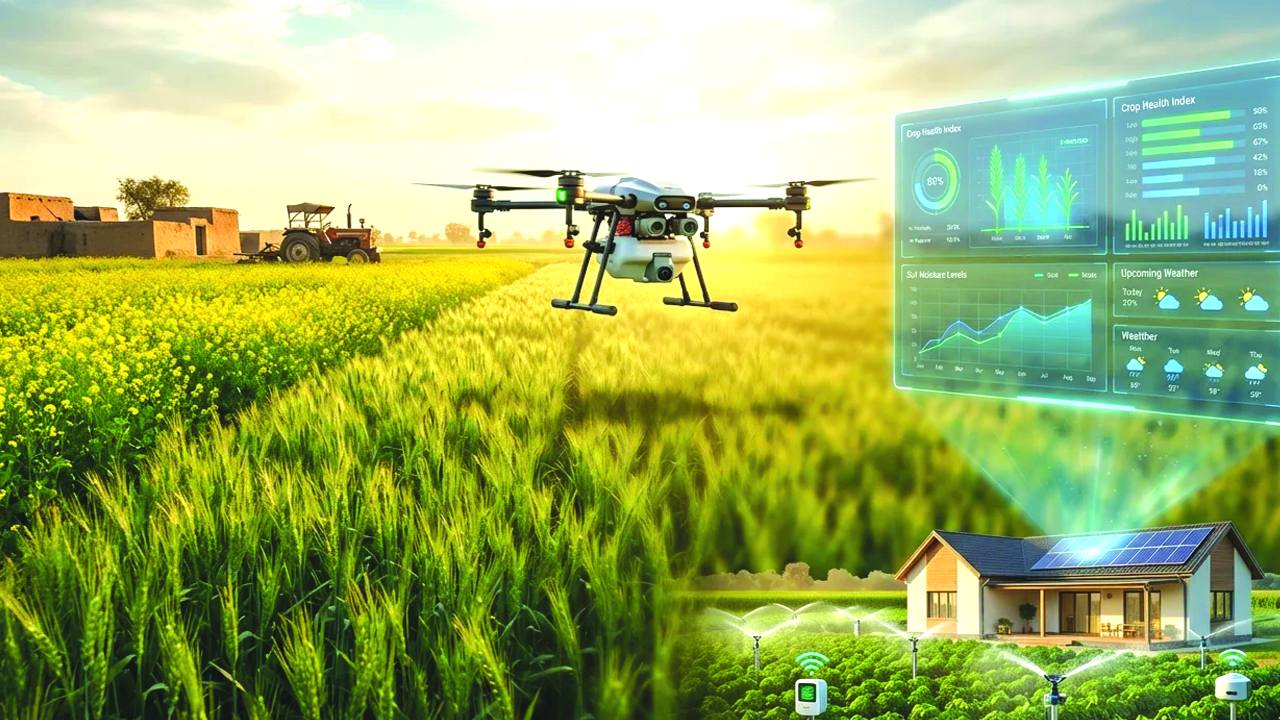
Farmers are using smart irrigation systems, weather forecasting tools, organic composting methods, and improved seed management techniques while still respecting traditional agricultural practices.
This combination helps increase efficiency without harming natural resources.
Modern agricultural equipment and scientific guidance are helping rural farmers reduce waste, improve crop management, and increase profitability.
At the same time, traditional wisdom regarding seasonal farming, soil care, and water conservation continues to remain highly valuable.
Farmers who successfully balance modern innovation with traditional practices are becoming role models for rural communities.
Their achievements prove that agriculture can evolve without losing its connection to nature and cultural heritage.
Rural Youth Are Returning to Farming
Many young people are now showing renewed interest in agriculture because of the growing success of organic and eco-friendly farming models.
The expansion of Sustainable agriculture is creating new opportunities for educated rural youth who want to contribute to farming innovation and rural development.
Younger farmers are using social media, digital marketing, and online platforms to promote agricultural products directly to consumers.
This modern approach is helping rural entrepreneurs build profitable agricultural businesses while maintaining sustainable farming practices.
The success stories of progressive farmers are also changing public perception about agriculture as a profession.
Instead of viewing farming only as traditional labor, younger generations are now recognizing it as an important sector connected to technology, business, health, and environmental sustainability.
The future of rural India may depend significantly on encouraging more youth participation in sustainable farming systems.
Protecting Soil Is Protecting Life
Healthy soil remains the foundation of successful farming and food security.
The philosophy behind Sustainable agriculture strongly emphasizes protecting soil fertility because damaged soil can reduce crop quality and long-term agricultural productivity.
Excessive chemical usage, water pollution, and poor farming practices can gradually weaken farmland and harm ecosystems.
Natural farming techniques such as composting, crop diversity, and organic fertilizers help restore soil nutrients and maintain environmental balance.
Farmers who prioritize soil conservation are not only protecting their crops but also safeguarding future food production.
Agriculture built on healthy soil creates stronger communities, healthier food systems, and better environmental stability.
The connection between soil and human life remains deeply important in both traditional and modern agriculture.