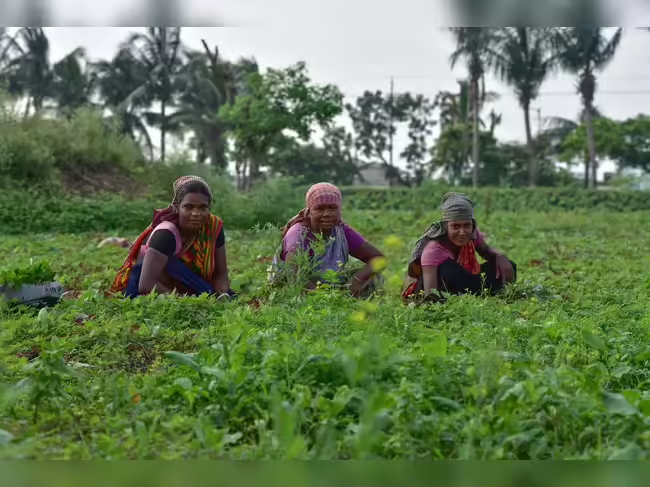
The growing Mandya water stress situation has become a major concern as extreme summer temperatures continue to affect hundreds of villages across the district. Reports indicate that nearly 289 villages in Mandya are currently under water stress watch due to declining groundwater levels, drying water sources, and rising demand for drinking water during the peak summer season.
Authorities are closely monitoring rural water supply conditions as reservoirs, lakes, and borewells in several regions show signs of depletion. The prolonged heatwave has increased pressure on existing water resources, forcing local administrations to prepare emergency measures to ensure uninterrupted drinking water supply for affected communities.
The worsening Mandya water stress issue highlights the growing impact of climate change, irregular rainfall patterns, and increasing dependence on groundwater in Karnataka’s agricultural regions. Residents in several villages are already experiencing difficulties accessing safe and reliable water, raising concerns about public health, agriculture, and daily livelihoods.
As temperatures continue rising, the district administration faces mounting pressure to manage water distribution efficiently and prevent the situation from escalating further during the coming weeks.
Rising Temperatures Intensify Water Scarcity in Mandya
Mandya district, known for its agricultural importance and irrigation networks, is now facing severe challenges because of prolonged summer heat. The sharp increase in temperatures has accelerated water evaporation from lakes, ponds, and reservoirs while simultaneously increasing household and agricultural demand.
The current Mandya water stress situation has particularly affected rural communities that depend heavily on borewells and local water bodies for drinking water and farming activities.
Many villages are witnessing declining groundwater levels as residents rely more frequently on borewell extraction during the summer season. In some areas, traditional water sources have either dried up completely or are providing insufficient supply for local populations.
The heatwave conditions have also reduced soil moisture significantly, affecting both agricultural productivity and groundwater recharge capacity. Farmers in affected villages are increasingly worried about water availability for crops and livestock if dry conditions continue.
Local authorities are now prioritizing drinking water supply management to ensure rural households receive adequate water during the most critical summer months.
Why Mandya Is Facing Growing Water Stress
Several interconnected factors have contributed to the worsening Mandya water stress crisis over recent years.
One of the major reasons is irregular rainfall during previous monsoon seasons. Reduced rainfall limits reservoir storage and groundwater recharge, creating long-term pressure on water availability during summer.
Another contributing factor is the increasing dependence on groundwater extraction for irrigation and domestic use. Continuous borewell usage without adequate recharge has significantly lowered groundwater tables in several parts of the district.
Urbanization and changing land-use patterns have also affected natural water conservation systems. Encroachment of lakes, reduced green cover, and poor rainwater harvesting practices further weaken water sustainability.
Climate change has intensified the situation by increasing the frequency of heatwaves and altering seasonal rainfall distribution patterns.
The current Mandya water stress problem reflects a combination of environmental, climatic, and infrastructure-related challenges that require long-term planning and sustainable solutions.
Impact on Rural Communities and Daily Life
The water shortage situation is already affecting the daily lives of residents in many villages across Mandya district.
Women and children in several rural areas are reportedly traveling longer distances to collect drinking water due to reduced local availability. In some villages, water supply timings have become irregular, forcing families to store water carefully for daily usage.
The ongoing Mandya water stress issue is also increasing pressure on public health and sanitation systems. Limited access to clean water can create hygiene-related concerns, especially during extremely hot weather conditions.
Schools, healthcare centers, and small businesses in affected areas may also experience operational difficulties if water shortages continue worsening.
For economically vulnerable households, purchasing private water tankers becomes an additional financial burden during already challenging summer conditions.
The emotional and physical stress associated with uncertain water availability is becoming increasingly visible in rural communities facing repeated seasonal shortages.
Agriculture Faces Major Challenges
Mandya is widely recognized as one of Karnataka’s important agricultural districts, particularly for crops such as sugarcane, paddy, and vegetables. Water availability therefore plays a critical role in supporting local livelihoods and the regional economy.
The growing Mandya water stress situation is creating serious concerns among farmers who depend on irrigation systems and groundwater for cultivation.
Reduced water levels in canals and borewells can directly impact crop growth and productivity during crucial farming periods. Farmers may be forced to reduce cultivation areas or shift toward less water-intensive crops if shortages persist.
Livestock owners are also facing difficulties securing enough water for animals during extreme heat conditions.
Agricultural experts warn that prolonged water stress can reduce overall rural income and increase financial uncertainty for farming communities already dealing with rising input costs and unpredictable weather patterns.
The situation highlights the urgent need for sustainable irrigation methods and better water management practices across agricultural regions.
Government Measures to Address the Crisis
District authorities and state government agencies have started implementing several measures to manage the worsening water shortage situation.
Officials monitoring Mandya water stress have initiated regular inspections of drinking water supply systems, borewell conditions, and village-level water availability.
Emergency tanker services may be deployed in severely affected villages if local supply systems fail to meet demand. Authorities are also repairing dysfunctional borewells and identifying alternative water sources where possible.
The administration is encouraging water conservation practices and advising residents to avoid wastage during the summer season.
Local bodies are also monitoring groundwater extraction levels and coordinating with rural development departments to improve water distribution efficiency.
In some areas, desilting and restoration work for lakes and ponds is being considered to improve future water storage capacity before the next monsoon season arrives.
Importance of Sustainable Water Management
The current crisis demonstrates why sustainable water management has become essential for districts like Mandya.
The increasing frequency of Mandya water stress situations shows that temporary emergency responses alone may not solve long-term challenges.
Experts emphasize the importance of rainwater harvesting, groundwater recharge projects, lake rejuvenation, and efficient irrigation systems to improve water sustainability.
Drip irrigation and micro-irrigation methods can help farmers reduce excessive water consumption while maintaining agricultural productivity.
Community awareness regarding water conservation is equally important. Responsible household water usage, protection of local water bodies, and prevention of pollution can significantly strengthen long-term water security.
The integration of scientific planning, local participation, and government support will remain critical in addressing future water challenges effectively.
Climate Change and Karnataka’s Water Crisis
The growing water shortage in Mandya reflects a larger environmental concern affecting several regions across Karnataka and India.
Climate experts believe that rising temperatures and unpredictable rainfall patterns are increasing the likelihood of seasonal drought-like conditions in many districts.
The recurring Mandya water stress issue highlights how climate change is directly influencing groundwater recharge, reservoir storage, and agricultural sustainability.
Extreme heat conditions increase evaporation rates while simultaneously raising water demand among households, industries, and farms.
Without stronger climate adaptation strategies, water stress situations may become more frequent and severe in coming years.
Experts suggest that integrated watershed management, climate-resilient agriculture, and long-term environmental planning are necessary to reduce future risks.
Community Participation Can Make a Difference
Local communities can play a significant role in improving water conservation efforts and reducing pressure on existing resources.
Residents affected by Mandya water stress are being encouraged to adopt responsible water usage habits and participate in community-level conservation activities.
Simple practices such as repairing leaks, storing rainwater, reusing household water where possible, and protecting local lakes can collectively create meaningful impact.
Village-level awareness campaigns and school education programs can also help promote long-term water conservation culture among younger generations.
Several successful water conservation models across India demonstrate that community-driven initiatives often deliver sustainable and lasting results when supported by local administrations.
The cooperation between citizens, farmers, environmental groups, and government agencies will be essential for improving Mandya’s long-term water security.
Future Outlook for Mandya
The immediate future will depend heavily on weather conditions, groundwater availability, and the effectiveness of emergency management measures implemented by authorities.
If temperatures continue rising without adequate rainfall, the Mandya water stress situation may worsen further in some vulnerable regions.
However, proactive planning, efficient water distribution, and conservation initiatives could help minimize severe shortages during the remaining summer period.
Experts believe that stronger investment in rural water infrastructure and sustainable groundwater management will become increasingly important for Mandya and similar districts in Karnataka.
The upcoming monsoon season will also play a crucial role in restoring reservoirs, lakes, and groundwater levels across the district.
Long-term resilience will depend on balancing agricultural needs, environmental protection, and population demand through sustainable water policies.